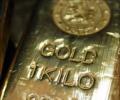
Traders said weak demand at prevailing higher levels and retailers looking for more correction mainly kept pressure on gold and silver prices.

Gold extended its slump for the second day and shed another ₹ 350 to hit a six-month low of ₹ 29,000 per 10 grams in the bullion market.

Silver also fell by 0.5 per cent to $15.68 an ounce.
Silver also traded higher by Rs 250 to Rs 41,000 per kg on increased offtake by industrial units.

Traders said sustained buying by stockists to meet the rising demand for the 'Navratras,' an auspicious week in Hindu mythology for making fresh purchases mainly pushed up the prices of the precious metals.
As the country moves towards creating a spot gold exchange, markets regulator Sebi's whole time member G Mahalingam on Wednesday suggested routing all the imports of the precious metal through the exchange ecosystem in the future. Such a "funnelling" would ensure that gold monetisation takes place right at the source as the metal enters the country, he said while addressing a conference organised by industry lobby Ficci. However, he also noted that the issue has not been dealt with in the papers floated by Sebi.

Gold plunged by Rs 120 to Rs 30,810 per ten gram, while silver lost Rs 280 to Rs 49,670 per kg on falling demand among industrial units and coin makers.

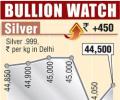
Silver followed suit and rebounded by Rs 400 to Rs 44,800 per kg on increased offtake by industrial units and coin makers.

Continued its slide for the sixth straight day, gold prices plunged by Rs 220 to trade at three-week low of Rs 28,280 per 10 grams in New Delhi on Thursday on increased selling by stockists amid a weakening global trend.

Traders said increased buying by stockists and retailers for the ongoing marriage season amid a firming global trend, as escalating tensions between Ukraine and Russia spur demand for haven assets, mainly led the rise in precious metal prices.
Bullion traders said besides increased buying by jewellers and retailers to meet festive season demand, a firming global trend amid escalating tensions over Ukraine has raised demand for a safe-haven, resulting into influence on gold prices here too.

Gold prices remained steady for the second straight day at Rs 27,250 per 10 grams at the bullion market on Tuesday.

In the first fortnight of December, the gold imports have fallen to about 25 tonnes, from 150 tonnes during entire November
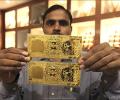
Gold imports surged by 93.86 per cent year-on-year to $4.98 billion.
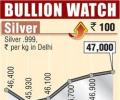
Traders said scattered buying by retailers amid a firm global trend, where gold climbed to six-month high, and escalating tension in Ukraine mainly boosted demand for the precious metals as a safe haven.
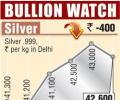
Silver also turned weak and declined by Rs 400 to Rs 42,600 per kg on poor offtake by industrial units and coin makers.

Dealers expect prices to fall further, owing to an impending rate hike in the US
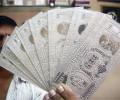
Gold drifted lower by Rs 200 to trade at one-week low of Rs 31,050 per ten grams.

The government on Wednesday increased the import tariff value on gold and silver to $408 per 10 gram and $520 per kg, respectively in line with global prices.
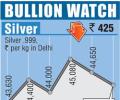
Traders said stockists selling in line with a weak global trend as an improving US economy prompted the Federal Reserve to cut stimulus, which reduced demand for precious metals as alternative assets.
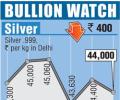
Bullion merchants said reduced offtake by jewellers and retailers at existing higher levels and a weak global trend amid speculation that Federal Reserve may decide on cutting back asset purchases this week is likely to bring down the demand for the precious metals as a safe haven.

Gold zoomed by Rs 425 to Rs 31,150 per ten grams in the national capital today on frantic buying by stockists and investors on strong global cues.

Spot gold was bid lower at $ 1,298 an ounce in early European trade.
After rising for two days, gold prices went down by Rs 100 to Rs 26,850 per 10 grams at the bullion market on Tuesday, tracking a weak global trend amid slackened demand from jewellers.

Gold has bounced back gaining Rs 825 in the last eight days.
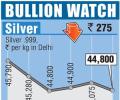
Traders said sentiment turned bearish on emergence of stockists selling at existing higher levels amid weak global trend as improving economic growth reduced demand for the precious metals as an alternate investment.

Silver also dropped by Rs 400 to Rs 35,650 per kg.
Gold prices in the country may even dip to Rs 20,500 per ten grams.
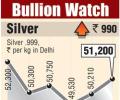
While gold zoomed up by Rs 410 to Rs 30,810 per ten gram, silver jumped up by Rs 990 to Rs 51,200 per kg on increased offtake by stockists on the back of firm global trend.

Traders said fall in demand due to ongoing 'Sharads', an inauspicious fortnight in Hindu mythology for making fresh purchases mainly pulled down the precious metals.

Sentiments remained bearish as gold and silver tumbled to the lowest since June in global markets as US manufacturing in August expanded at the fastest pace in three years, bolstering prospects for the economy and dampening demand for the metal, traders said.

Silver also dropped by Rs 900 to Rs 42,500 per kg on poor offtake by industrial units and coin makers.

Traders said lack of buying support from retailers and jewellers who preferred to keep their activity restricted, anticipating further fall in coming days, mainly kept gold prices unchanged.
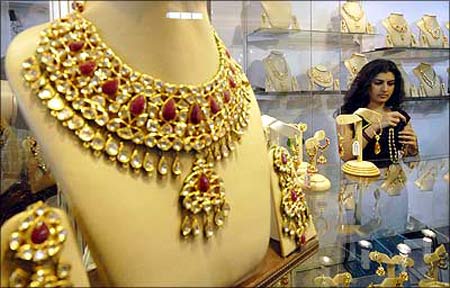
Tracking a weak trend overseas and low demand from domestic jewellers and retailers, gold prices plunged by Rs 200 to Rs 26,350 per ten gram in New Delhi on Monday.

Globally, gold prices slipped by 0.26 per cent to $1,246.20 an ounce in early trade in London.

In dollar terms, however, gold prices jumped by 26 per cent this calendar year, following sharp jump in hedge funds' long position

Round-tipping creates the opportunity for exporters to source funds at a much cheaper cost, which they divert to some other business.

To check rising current account deficit, the government raised import duties and the RBI imposed curbs on import of the metal and also laid down various pre-conditions for inward shipments of the precious metal.
Traders said stockists selling against sluggish demand at higher levels mainly led to fall in gold and silver prices.

Traders said subdued demand from jewellers and retailers at prevailing levels and a weak global trend led to fall in gold and silver prices.
 © 2026 Rediff.com - Advertise with us - Disclaimer - Privacy Policy - Sitemap - Feedback - About us - Terms of use - Grievances